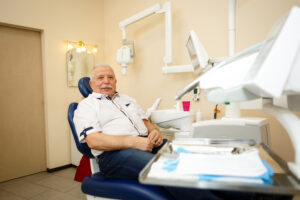
A dull ache in your jaw. A popping sound when you chew. Headaches that seem to come out of nowhere. These are easy to write off individually, but together they often point to the same source: your temporomandibular joint, the hinge connecting your jawbone to your skull.
What TMJ Disorder Actually Is
TMJ disorder happens when that joint, or the muscles controlling it, aren’t working the way they should. It can stem from an uneven bite, teeth grinding, jaw injury, or chronic muscle tension, and it affects far more of your daily comfort than most people expect, since your jaw is involved in everything from eating to talking to simply resting your face.
Symptoms That Often Get Overlooked
TMJ disorder doesn’t always announce itself as jaw pain first. Common signs include jaw pain, popping, or stiffness, along with neck pain, worn-down teeth, and frequent headaches or migraines. Some patients also notice swallowing difficulties, a bite that feels off (malocclusion), eye pain, backaches, or earaches, symptoms that seem unrelated to your jaw until a dentist connects the dots.
Why These Symptoms Show Up Together
Your jaw muscles don’t work in isolation. Chronic tension or misalignment in the joint can radiate outward, which is why TMJ disorder can masquerade as a headache condition, an ear problem, or general neck and back pain rather than something dental. That’s part of why it often goes undiagnosed for longer than it should.
How We Treat TMJ Disorder
Rather than jumping to invasive treatment, our practice starts with a dental deprogrammer appliance, a device that works by painlessly reprogramming the current muscle memory of your bite. It’s typically worn for up to a month, removed only for meals and oral hygiene, giving your jaw muscles a chance to reset without surgery.
When to See a Dentist About Jaw Pain
If jaw pain, popping, or unexplained headaches have been sticking around for weeks rather than days, it’s worth having it evaluated rather than waiting it out. TMJ disorder tends to get more uncomfortable, not less, the longer the underlying muscle tension goes unaddressed.
What to Expect at Your Evaluation
A TMJ evaluation typically starts with a conversation about your symptoms and a look at how your jaw moves and how your bite comes together. From there, your dentist can determine whether a deprogrammer appliance or another approach fits your specific case.
Ready to Find Relief?
If jaw pain, headaches, or clicking have become part of your routine, schedule a consultation at our Streetsboro, Elyria, or Brunswick office to talk through what’s causing it and what treatment looks like for you.